Shockwave Therapy

Understanding Shockwave Therapy in Albany

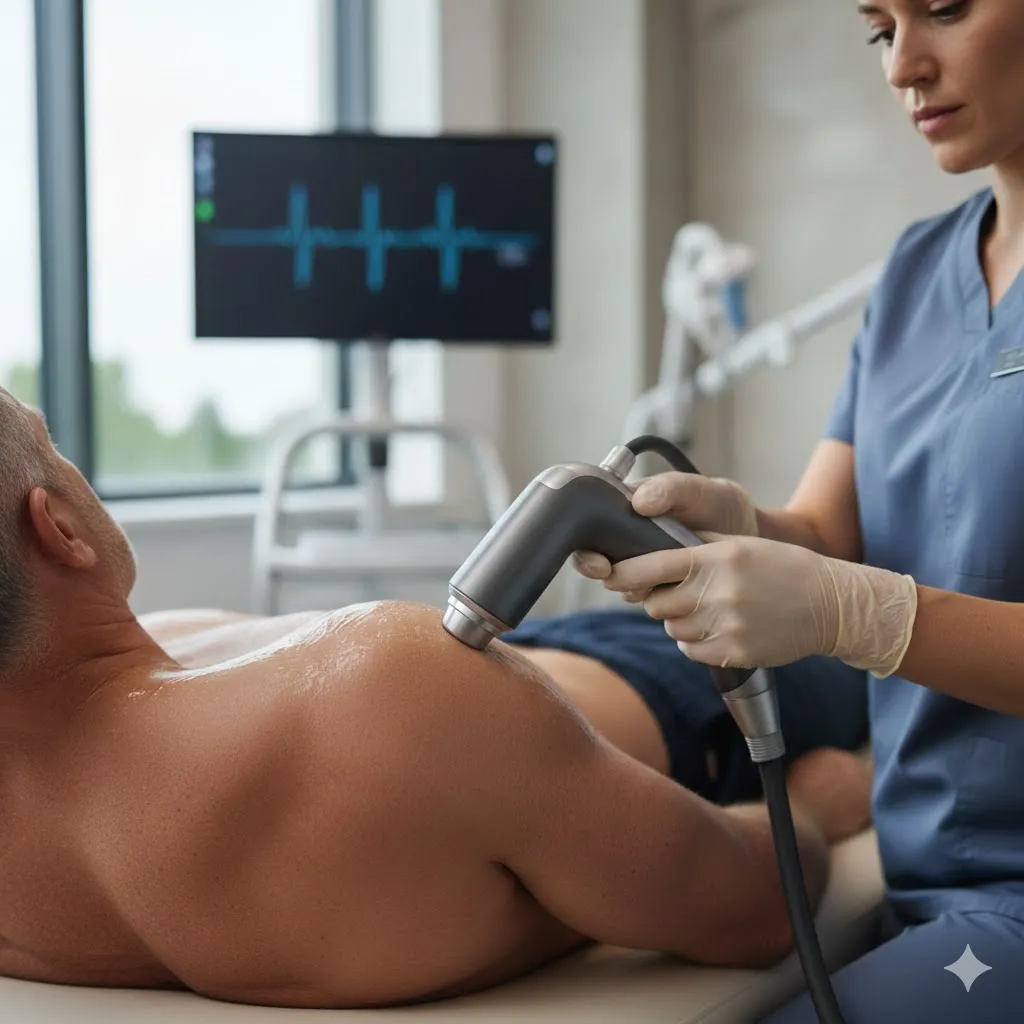
Healthcare services imageIf you are seeking a non-invasive way to address persistent musculoskeletal discomfort, Shockwave Therapy at Sports & Spinal Wellness Center offers a modern, evidence-based approach to recovery. Residents of Albany, NY, often lead active lifestyles, whether they are hiking in the Adirondacks or commuting through the Capital District. This physical activity is vital for health, but it can sometimes lead to chronic connective tissue issues that don't seem to resolve with rest alone. Our practice focuses on utilizing advanced acoustic wave technology to support the body’s natural regenerative processes without the need for surgery or heavy medication.


Shockwave Therapy, also known as Extracorporeal Shockwave Therapy (ESWT), involves the delivery of high-energy acoustic waves directly into the affected connective tissues. These waves generate gentle oscillations that interact with the biological environment of your muscles and tendons. By creating these targeted vibrations, the treatment aims to stimulate the body’s internal repair mechanisms. For many patients in the Albany area, this provides a pathway toward improved mobility and a return to the daily activities they enjoy. We focus on a holistic, patient-centered approach, ensuring that every session is tailored to the specific needs and comfort levels of our community members. Our goal is to provide an educational environment where you feel empowered to take charge of your wellness journey.

Symptoms Treated: Recognizing When You Need Support

Many patients visit Sports & Spinal Wellness Center because they are experiencing persistent physical limitations that interfere with their quality of life. You might notice a sharp, stabbing sensation in your heel when you take your first steps in the morning, a common sign that the tissues in your foot are struggling to recover. Others in Albany might feel a dull, aching soreness in their shoulders or hips that makes it difficult to sleep or find a comfortable sitting position. These symptoms often stem from localized areas of tension or tissue fatigue that have become "stuck" in a cycle of discomfort. Shockwave Therapy is frequently utilized for a wide variety of musculoskeletal concerns. While every patient’s experience is unique, common conditions and symptoms that may benefit from this approach include:
  • Heel and Foot Discomfort: Often felt as tightness or soreness in the arch or heel, commonly associated with conditions like Plantar Fasciitis.
  • Elbow and Forearm Tension: Frequently experienced by those who participate in repetitive lifting or sports, often referred to as Golfer’s or Tennis Elbow.
  • Chronic Shoulder and Hip Stiffening: A persistent lack of range of motion or "catching" sensations in the large joints.
  • Localized Calcification: Discomfort arising from hardened deposits within the tendons, often seen in Calcified Tendonitis.
  • Persistent Back and Muscle Aches: Deep, nagging sensations in the lower back or large muscle groups that resist traditional stretching.

Benefits to the Patient: Enhancing Quality of Life

The primary objective of Shockwave Therapy at Sports & Spinal Wellness Center is to help our Albany neighbors move through the world with greater ease. One of the most significant advantages of this modality is its non-invasive nature. Because it relies on acoustic energy rather than incisions or injections, there is virtually no downtime required. This allows you to stay engaged with your work and family life in Albany, NY, while proactively addressing your physical health. Many patients find that this approach fits seamlessly into their existing wellness routines, providing a helpful "boost" to their recovery efforts. By choosing Shockwave Therapy, you may experience a variety of positive outcomes related to your physical comfort and function. While results can vary based on individual health factors, potential benefits include:
  • Support for Natural Tissue Repair: The oscillations can help encourage the body’s own biological response to minor tissue damage.
  • Increased Local Circulation: The treatment may help improve blood flow to the targeted area, which is essential for nutrient delivery to the tissues.
  • Reduced Sensitivity: Patients often notice a decrease in the "hyper-sensitivity" of certain trigger points or tender spots.
  • Improved Flexibility: As tension in the connective tissue dissipates, you may find it easier to stretch, walk, and perform daily tasks.
  • Avoidance of Invasive Procedures: For many, this serves as an effective conservative management strategy that may reduce the need for more intensive interventions later on.